Cycling the Great Glen Way: The Best Beginner Highland Route
Fort William to Inverness by bike: 79 miles along the Caledonian Canal and Loch Ness, with real daily distances, the bike for the towpath and the logistics.

Quick links
Don't want to read all this?
We've planned 800+ cycling trips. Send your dates, fitness and group size — we'll map the route and book every night.


Why Ride the Great Glen Way
The Great Glen Way is the easiest way to ride across the Highlands, coast to coast. It runs about 79 miles from Fort William to Inverness along the natural fault line that splits Scotland in two, following the Caledonian Canal and the full length of Loch Ness. Much of it is flat, traffic-free and low, which makes it the best first multi-day tour in the country.
It packs Highland scenery into a route a fit beginner can finish. Neptune's Staircase, canal towpaths, forest tracks above Loch Ness and the castles of the glen all come in a few days of riding, without the big climbs or the remoteness of the routes further west and north.
The Great Glen is also the gentle northern third of the longer Caledonia Way, so riding it is a taste of that route's most famous stretch. This guide covers the ride as a cyclist actually does it: the low cycling route, the terrain under your tyres, how many days to allow, bike hire and one-way logistics, and when to go.
Can You Cycle the Great Glen Way?
Yes — but you ride the cycling route, not the walkers' path. This is the single thing most people get wrong. The waymarked Great Glen Way is really two routes that share a name: a high-level walking trail that climbs onto forest ground with steps and rough, unrideable sections, and a low-level cycling line that stays down by the water on the canal towpath and quiet roads.
Follow the blue cycle waymarks, not the walkers' high route. The cycle-friendly line runs the whole way from Fort William to Inverness and is signed for bikes throughout. Ridden that way, the Great Glen is one of the most achievable long-distance rides in Scotland — the mistake is trying to follow the boots.
The whole low route rides comfortably on a hybrid, gravel or touring bike. Our self-guided tour follows the cycling line the entire way, so there is no guesswork about which fork to take at a junction.
The Great Glen Way at a Glance
Distance: ~79 miles (127 km), Fort William to Inverness
Our tour: 5 days, self-guided
Typical cycling time: 2 to 4 days
Direction: south-west to north-east, Fort William to Inverness
Terrain: canal towpath, forest track and quiet road
Recommended bike: hybrid, gravel or touring bike
Difficulty: easy to moderate, mostly flat
Highest point: around 380 m on the forest track above Loch Ness
Route Overview
Almost everyone rides the Great Glen Way from Fort William to Inverness, and for good reason. It runs slightly downhill overall, the prevailing south-westerly wind is usually behind you, and it saves the easiest, most famous stretch — Loch Ness into Inverness — for the end.
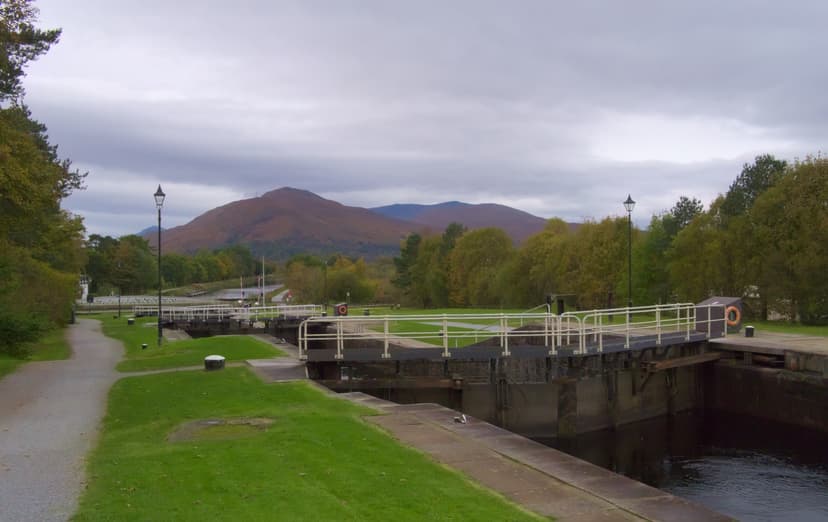
The route falls into three natural stretches. From Fort William it starts at Neptune's Staircase, the flight of canal locks at Banavie, and follows the Caledonian Canal towpath past Gairlochy and along Loch Lochy toward Laggan. This first section is flat, traffic-free and fast.
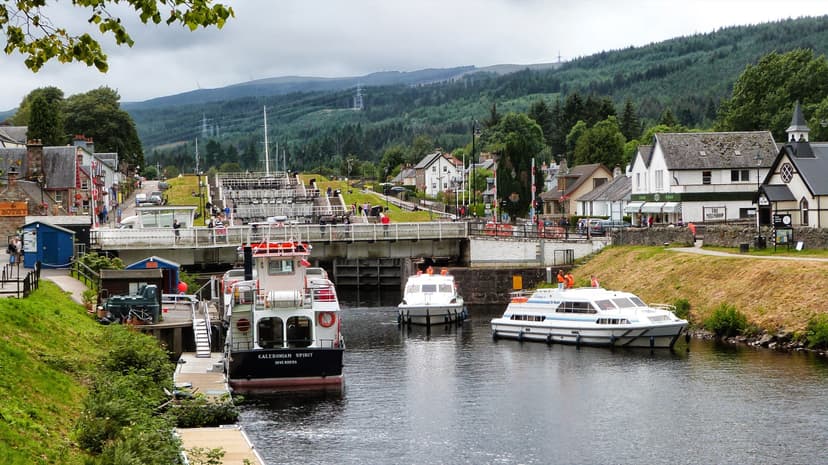
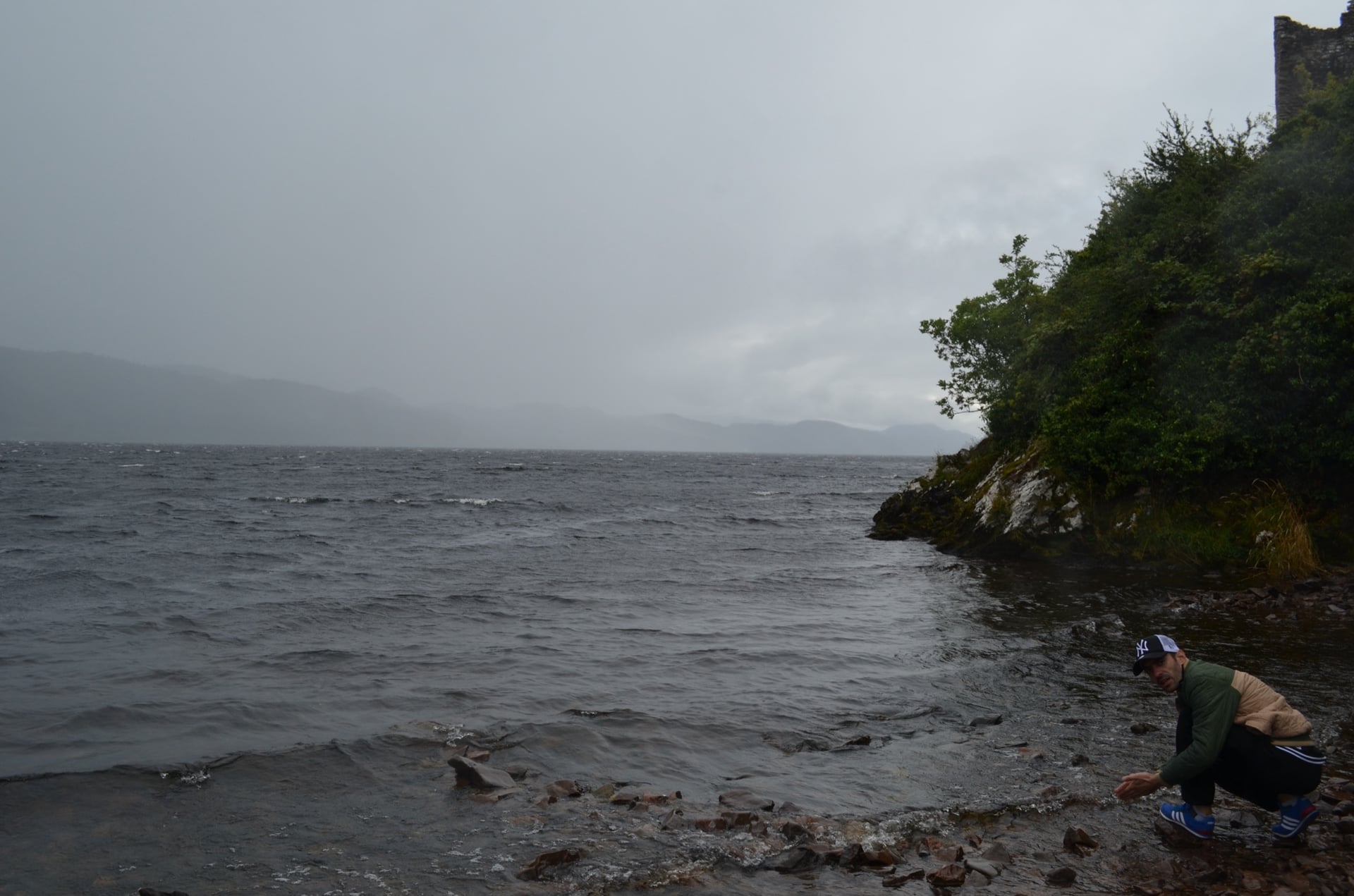
The middle stretch runs from Laggan through the forests above Loch Oich to Fort Augustus, where the canal steps down through a run of locks into Loch Ness. The final third follows the length of Loch Ness on forest track and quiet road, beneath the ruins of Urquhart Castle, before dropping into Inverness where the canal meets the sea and the glen ends.
Map
What Bike and What Terrain
The Great Glen Way is not a road ride, and a pure road bike is the wrong tool. The surface changes constantly: smooth tarmac canal towpath, packed gravel and rougher forest track above Loch Ness, and short stretches of quiet public road through the villages. Slightly wider tyres make all of it more comfortable.
A hybrid, gravel or touring bike is ideal, and e-bikes are popular here. The forest sections above Loch Ness are the roughest part, and a bike with tyres of 35 mm or wider handles them easily. Mountain bikes are overkill but perfectly fine; anything with skinny road tyres will make the loose track hard work.
Carry basic spares and know how to fix a puncture. Bike shops sit only at the two ends, in Fort William and Inverness, so a spare tube, a pump and the knowledge to use them matter more here than on a road route with towns every few miles.
How Difficult Is It?
The Great Glen Way is close to flat for most of its length, which is what makes it so approachable. The canal towpaths barely rise at all, and a rider new to multi-day touring can complete the route comfortably. It is the gentlest of Scotland's long-distance cycle routes by a clear margin.
The one real effort is the forest climb above Loch Ness. Between Fort Augustus and Invermoriston the cycle route leaves the water for a stretch of forest track that climbs to around 380 metres before descending back toward the loch. It is not long or technical, but it is the day's work on an otherwise easy route.
None of it needs special fitness on the tour's daily distances. Split over four or five days the climbing is trivial; ridden hard in two days it becomes a proper workout. The difficulty is a choice you make with the number of days, not something the route forces on you.
How Many Days and a Day-by-Day
The Great Glen Way is ridden in anything from one hard day to a relaxed five. Strong riders do it in two days, most self-guided cyclists take three, and an unhurried tour with time for Loch Ness and the castles runs to four or five. Our tour takes five, arriving and departing without a rushed travel day at either end.
Our self-guided tour rides the Great Glen Way south-west to north-east, from Fort William to Inverness.
The Highland town at the foot of Ben Nevis is the start, reached by train or road from Glasgow, with time to collect the bike and see Neptune's Staircase before the ride begins.
Out along the Caledonian Canal towpath from Neptune's Staircase, past Gairlochy and the length of Loch Lochy, on flat, traffic-free path into the heart of the glen.
Through the forests above Loch Oich to Fort Augustus, where the canal steps down through its flight of locks into the head of Loch Ness.
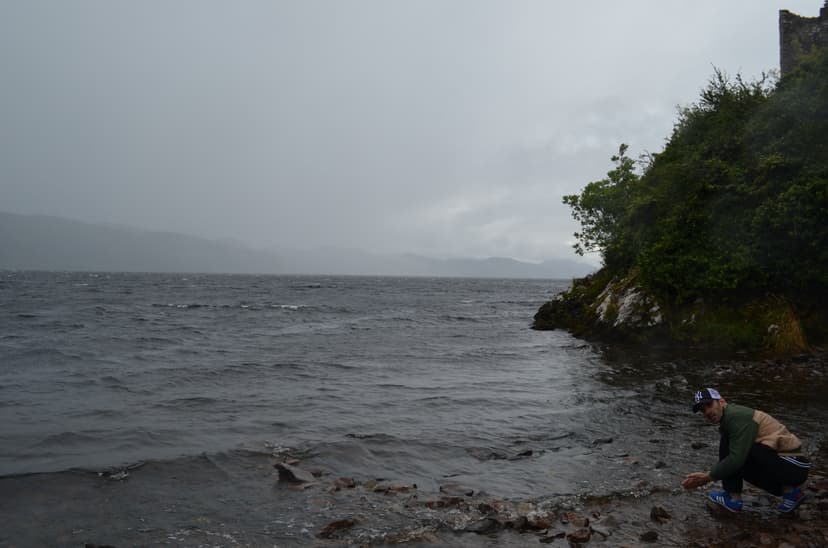
The forest track and quiet road along the shore of Loch Ness, beneath the ruins of Urquhart Castle, with the loch on one side the whole way.
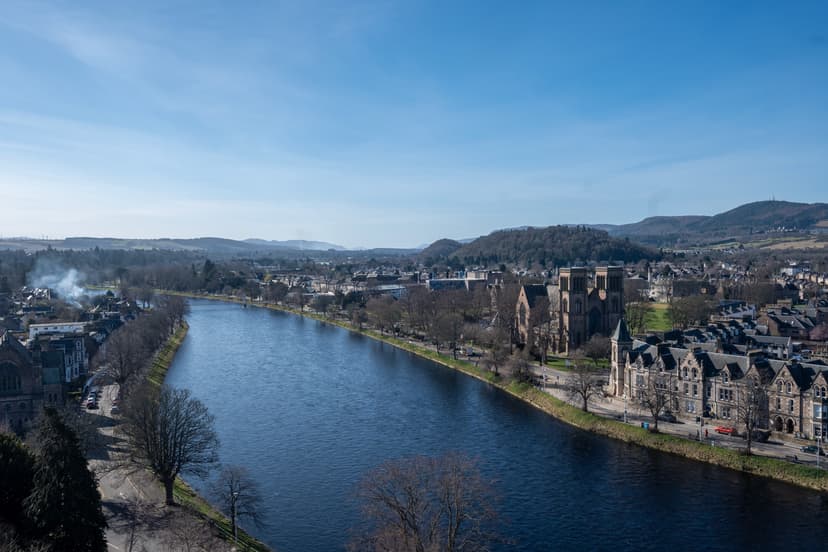
The last miles down the glen into the Highland capital, where the Caledonian Canal meets the sea and the Great Glen ends.
Bike Hire, E-Bikes and One-Way Logistics
The Great Glen Way is a point-to-point route, so the logistics are all about the two ends. You finish 79 miles from where you started, which means either riding your own bike and sorting transport back, or hiring a bike locally and letting the operator handle the one-way return.
Local hire in Fort William includes one-way drop-off and e-bikes. Shops at the Fort William end rent hybrid and electric bikes and arrange collection from Inverness, so you ride one way and hand the bike back at the finish. E-bikes are a popular choice for the forest climb above Loch Ness and for riders who want the distance without the effort.
Luggage transfer turns it into a day-bag route. On a supported or self-guided trip your bags move between accommodations by van, so you ride with only a day's kit. Our self-guided tour includes both the accommodation and the luggage transfer, which is the single biggest thing that makes a point-to-point route relaxed rather than a logistical puzzle.
When to Ride
April to October is the season for the Great Glen Way. The route sits low and sheltered, so it opens earlier and closes later than the exposed routes further north, and the canal towpaths drain and firm up quickly after rain.
Spring (April – June)
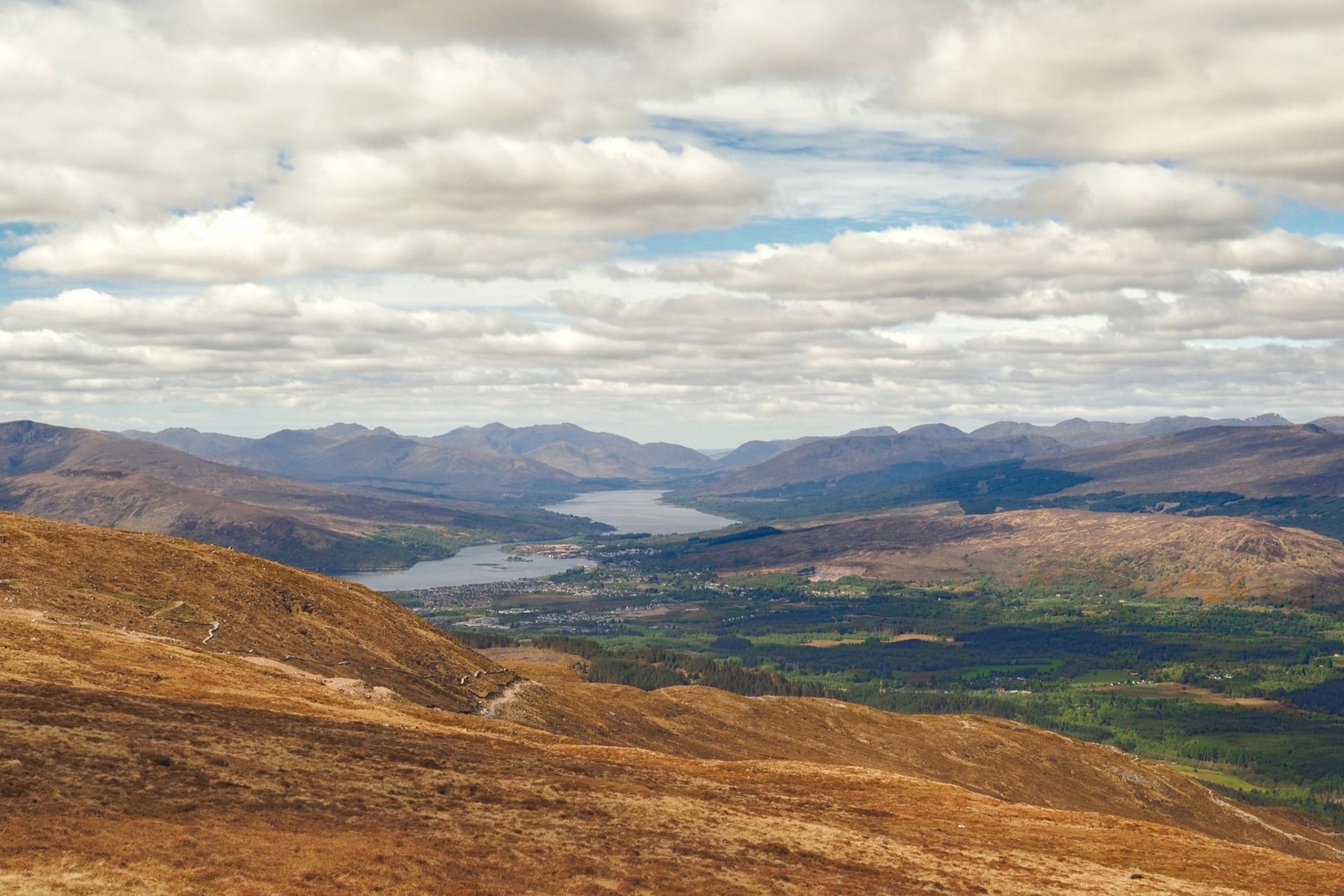
Spring is one of the best windows on the Great Glen. May and June bring the driest, brightest weeks of the year, the canal banks green up, and the route is quiet before the summer coach traffic reaches Loch Ness. Nights can still be cold, so pack a warm layer.
Summer (July – August)
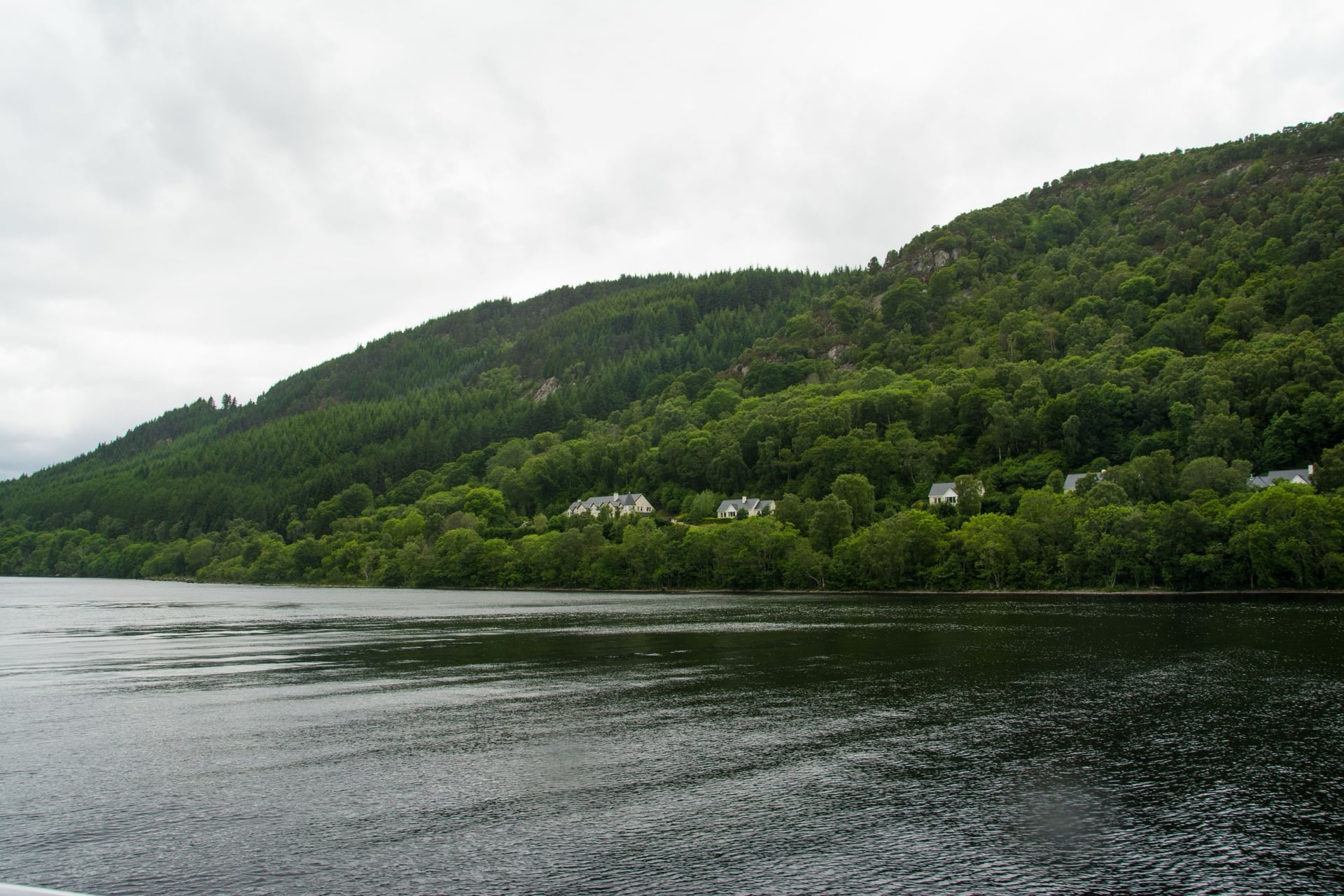
Summer brings the most reliable weather and the long northern daylight, with light past 10pm at midsummer. It is also the busiest, with Loch Ness drawing crowds to Drumnadrochit and Urquhart Castle, and accommodation books out ahead — summer needs the earliest planning of the year.
Autumn (September – October)
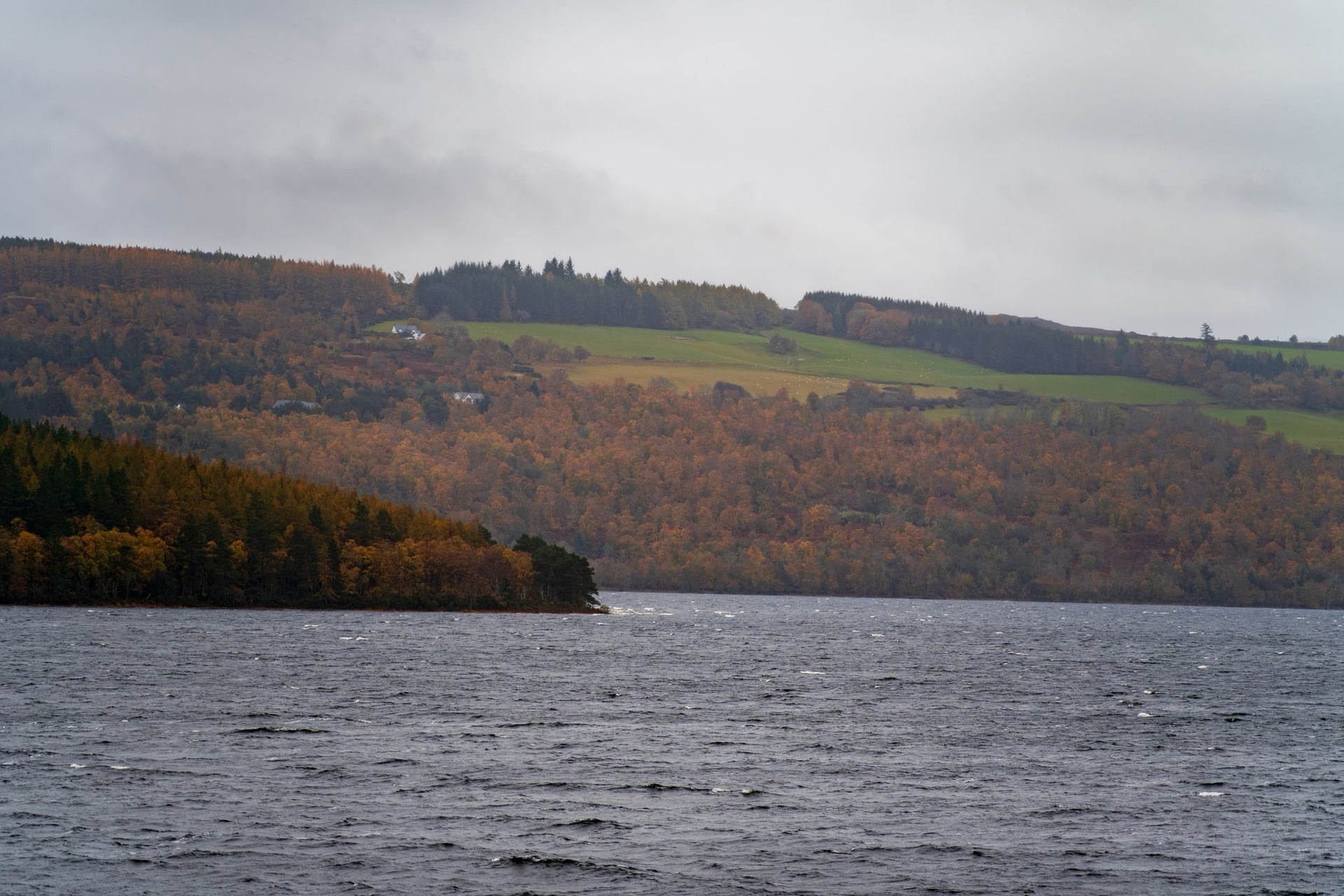
September often holds summer's settled weather with far fewer people, which makes it many riders' favourite month here. Through October the birch along the canal and the forests above Loch Ness turn gold, though the days shorten quickly and the first frosts arrive.
Winter (November – March)
Winter is off-season, and our tour does not run then. The route stays open and lower than the far-north loops, but daylight drops below eight hours, the forest tracks turn wet and icy, and many cafés and guesthouses along the glen close. Treat winter as the season to plan a Great Glen trip rather than ride one.
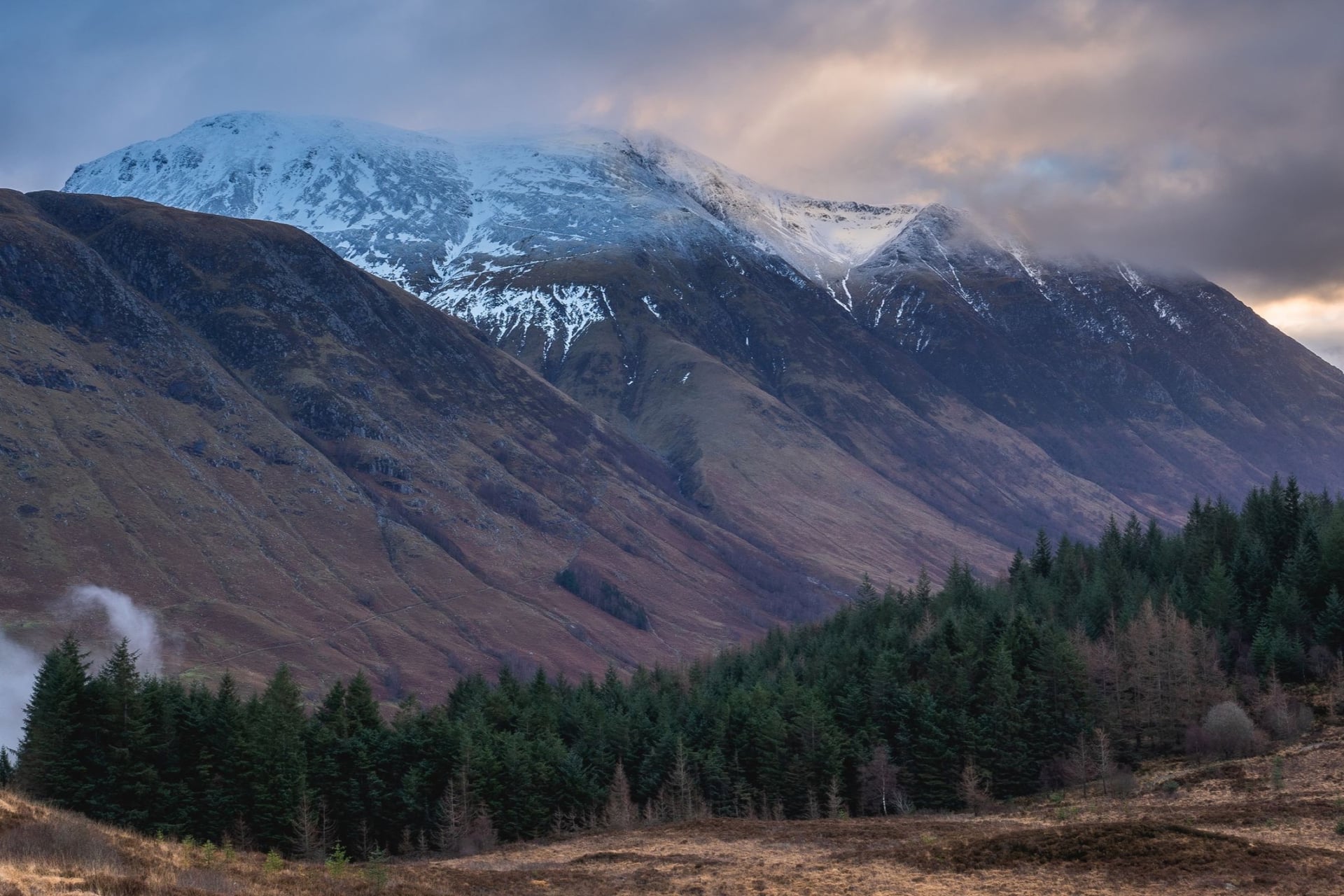
The sights worth timing a stop around, in the order the route reaches them from Fort William.
Getting There and Getting Home
Fort William and Inverness both sit on the rail network, which makes the Great Glen one of the easiest Scottish routes to reach without a car. Trains run to Fort William from Glasgow on the scenic West Highland Line, and bikes travel by reservation — book the space in advance, as they are limited.
Inverness, the finish, is the transport hub of the Highlands. It has trains south to the Central Belt and direct to London, plus an airport with UK connections, so the journey home from the end of the route is straightforward. Ending at Inverness rather than Fort William is one more reason the route runs south-west to north-east.
Plan provisions around the villages, not the miles. Fort Augustus, Invergarry and Drumnadrochit have shops and cafés, but the stretches between them can run long, so carry food and water for more than you think — especially on the forest section above Loch Ness, where there is nothing until you drop back to the shore.
How Much It Costs
Our self-guided trip is priced per person for four nights in three-star hotels with breakfast, with luggage moved each day, the digital guidebook, the GPS app and support while you ride. Tourist tax is paid at the hotel. An e-bike, gravel bike, mountain bike or road bike, a single room and the airport transfer are optional extras quoted with the tour.
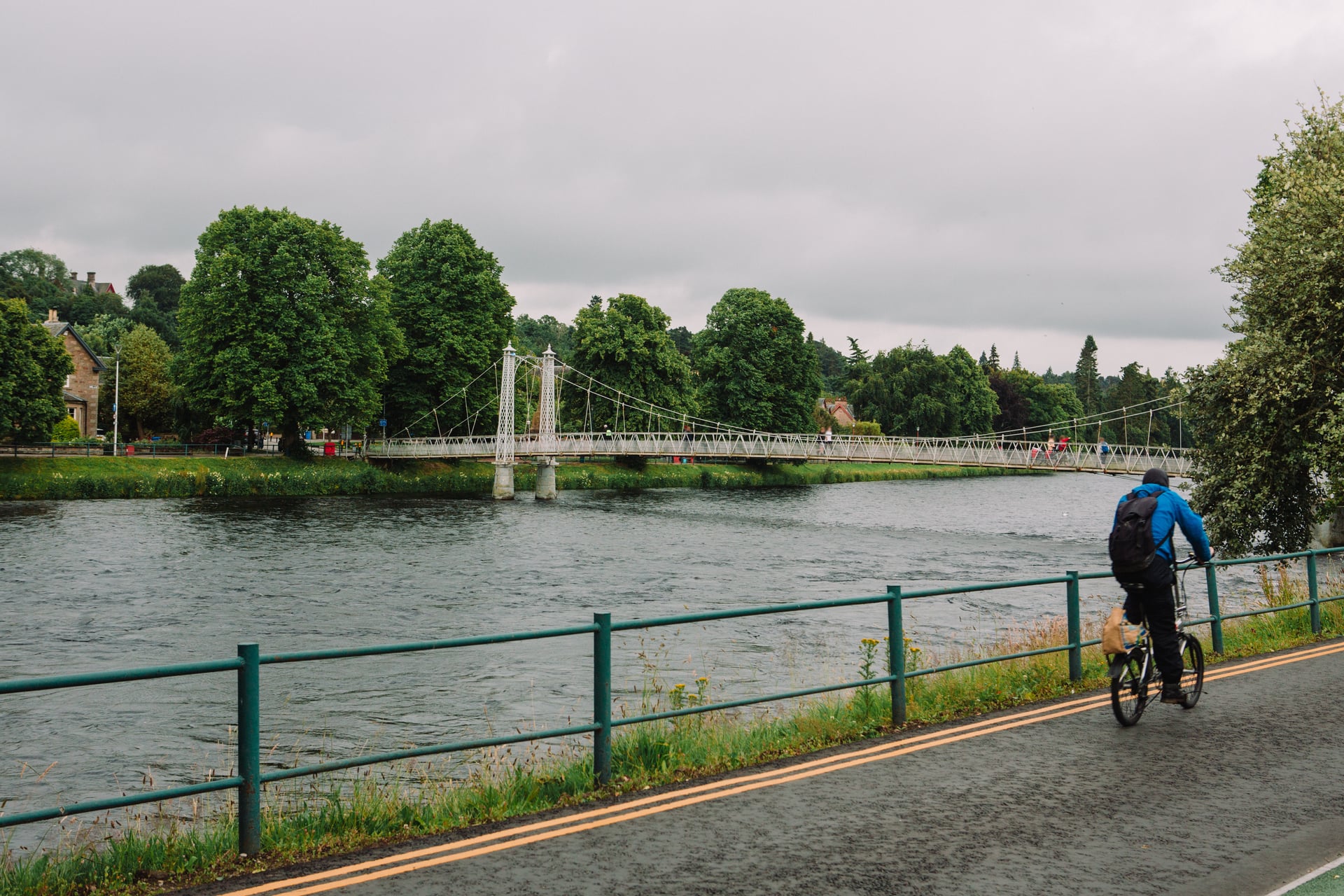
The route costs nothing to ride. The canal towpath and forest tracks are free, the Loch Ness shore has no tolls, and the castles along the way charge only if you go in. Bikes travel free on ScotRail, but the West Highland Line to Fort William and the Highland lines out of Inverness need the space reserved when you book. The Highland Explorer carriage on the West Highland Line carries 20 bikes.
What to Pack
The Great Glen is the gentlest of our Scottish routes, and the bag reflects it. A waterproof jacket, a warm layer for the loch-side wind and gloves cover the weather. Lights and a red rear reflector are a legal requirement after dark, and the forest section above Loch Ness is dark early in spring and autumn.
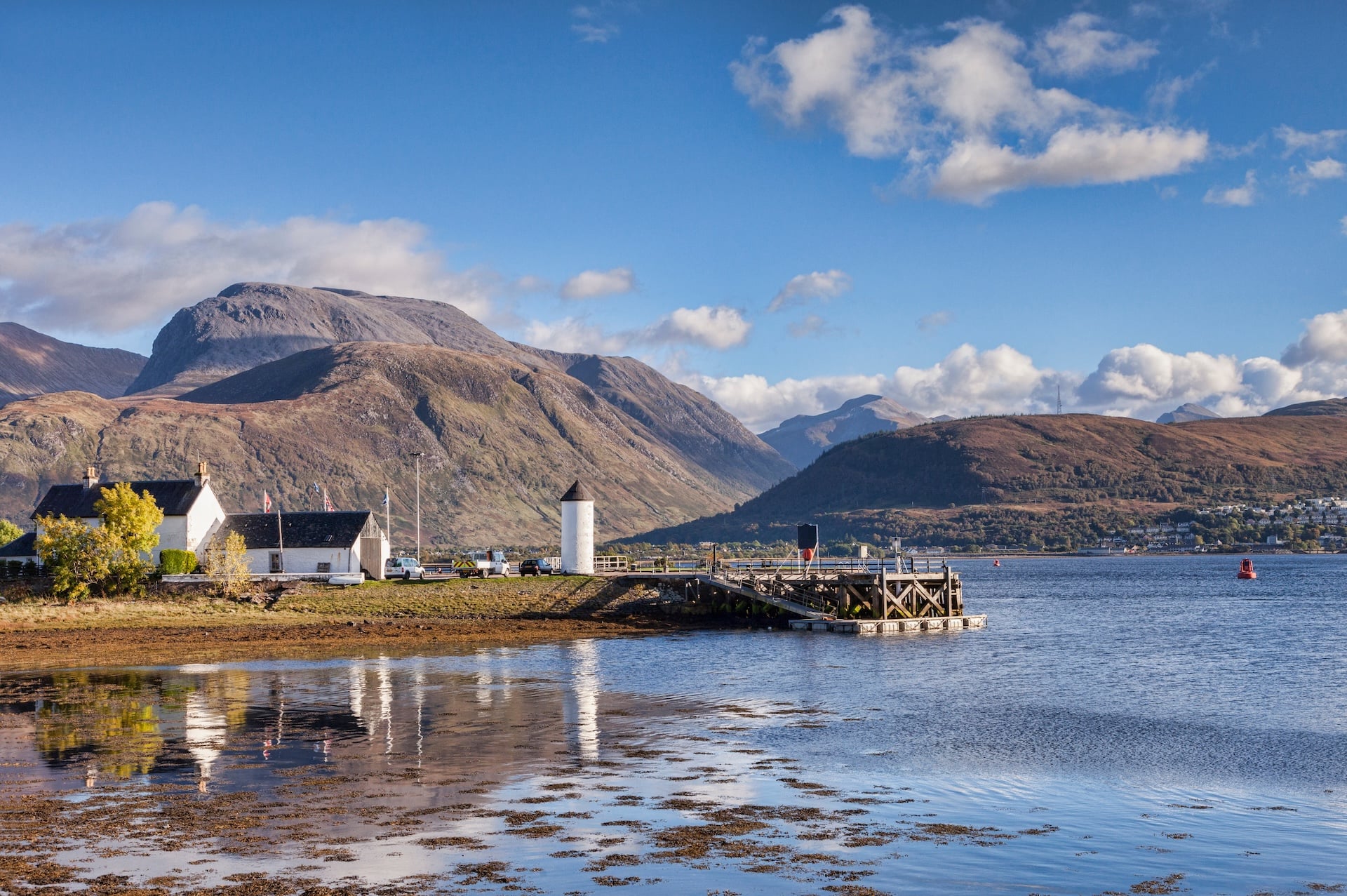
Wider tyres, 35 mm or more, suit the towpath gravel and the forest track, and a spare tube and pump matter because the only bike shops are at the two ends. Two bottles and food for the stretch above Loch Ness, where there is nothing between Invermoriston and Drumnadrochit, and midge repellent for the canal evenings from June to August.
Is the Great Glen Way Right for You?
Choose the Great Glen Way if you want a short, gentle and scenic first crossing of the Highlands. A few days, mostly flat, much of it traffic-free, with Loch Ness and the castles along the way — it asks the least of any of our Scottish routes and rewards riders new to multi-day touring.
For more distance on the same kind of terrain, the Caledonia Way continues south for another 150-odd miles. For the hardest and most remote Highland riding, the North Coast 500 is the step up.
Our self-guided Great Glen Way tour covers the five days with accommodation and luggage transfer arranged, so you ride the low route with a day bag and none of the one-way logistics. See it beside the rest in our guide to cycling routes in Scotland.
Frequently Asked Questions



Plan with a cycling expert
Free advice from a team that knows these routes inside out - real people, not a bot

Hassle-Free
We take care of route planning, accommodations, luggage transfers, and all logistics, so you can focus purely on enjoying your ride.

Tried & Tested Adventures
Our cycling routes are hand-picked & tested, to ensure breathtaking landscapes, smooth roads, and maximum safety - giving you the perfect ride every day.

Unbeatable Support
Our 24/7 customer support is where we show our passion, ensuring your cycling holiday runs smoothly and your well-being is always our top priority.

Book with Confidence
We are a financially protected company, fully bonded and insured, keeping your money safe and allowing you to travel with confidence.